
Separation
The Night We Rushed the Baby to the ER and Left Our Toddler With the Neighbor
Our youngest spiked a fever late at night, and suddenly our three-year-old was being handed to a neighbor in her pajamas. Here’s what we’d do differently, and what we’ve prepped since.
How it started
It was 10:40 at night. The baby’s fever had climbed, the doctor’s line told us to go in, and my husband and I needed to go together. Our three-year-old was asleep.
We woke her, wrapped her in a blanket, and carried her next door to our neighbor, who had kindly said yes on the phone. Half-awake, she understood just enough: everyone was rushing, the baby was crying, and we were leaving without her.
She screamed as I handed her over. Our neighbor said she cried at the window for a long time before falling asleep on the couch.
The baby was fine. But the next morning our daughter wouldn’t let me out of the bathroom, and for days she asked, “Are you going to the hospital again?”
Not medical or clinical advice: I’m a parent of two toddlers sharing what helped at home, not a pediatrician, therapist, or child-development expert. Separation worries are a normal part of growing up, and every child is different. If your child’s distress seems intense, lasts for weeks, or gets in the way of sleep, eating, or daily life, please talk to your pediatrician.
Why this was so hard for a toddler
Sudden separations are hard because there’s no time to prepare. She had no plan, no goodbye routine, and lots of grown-up worry in the air.
She also picked up on a big unknown: something was wrong with her sibling. Her fear wasn’t only about being left. It was about whether everyone was okay.
What made it worse
- No explanation. We were too frazzled to say anything except “It’s okay, it’s okay.”
- Waking her mid-sleep. She was groggy and disoriented.
- No familiar object. Her stuffed bunny stayed in her crib.
- Silence the next day. We didn’t talk about it at first, hoping she’d forget.
What actually helped
1. Tell a simple, true story the next day
Kids can handle short, honest facts better than mysteries.
What I say: “Baby had a fever. Doctors helped her. We came home. Everybody is safe.”
2. Make an ’emergency buddy’ plan
We asked our neighbor to be her official buddy and had her visit in daylight, with cookies. We also wrote down emergency contacts, allergies, and pickup permissions for the trusted adult, and kept the information somewhere private but easy for them to access. A simple emergency contact card can be useful, though a handwritten sheet works just as well.
What I say: “If Mommy and Daddy ever have to go fast, you go to Auntie Jen’s house. She has the blue cups.”
3. Pack a tiny night bag
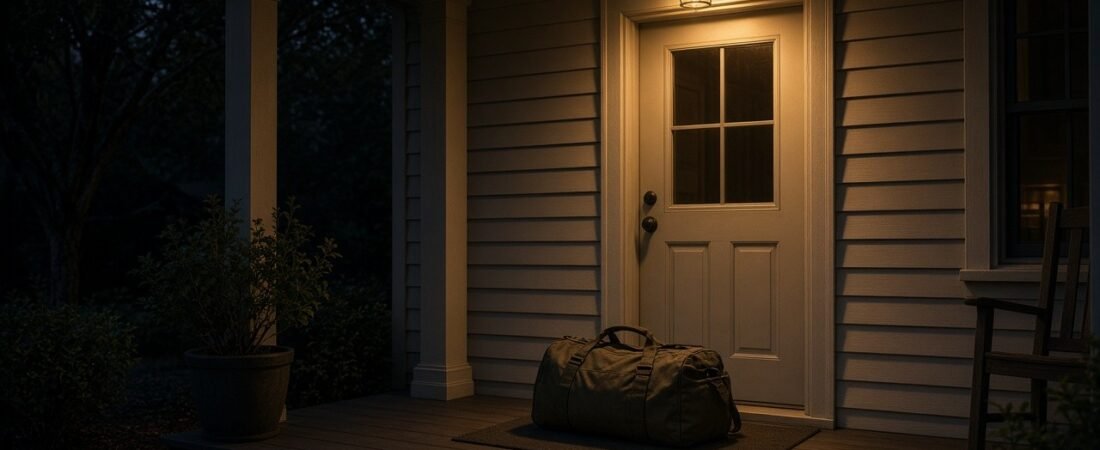
Pajamas, bunny, a family photo, by the door. A small Skip Hop Zoo toddler backpack is one option for keeping the essentials together; any familiar bag is fine. Choose age-appropriate comfort items and keep loose straps, cords, and other hazards away from sleeping children.
What I say: “This is your bunny’s backpack, for sleepovers or surprise trips to Auntie Jen’s.”
4. Practice the goodbye
A quick ’emergency goodbye’ version of our usual routine, so it isn’t brand new next time.
What I say: “Hug, kiss, I’ll come back. Same as always, just fast.”
5. Play it out
She played ‘hospital’ with her dolls for a week. We joined in instead of stopping it. For families who want a pretend-play prop, the Melissa & Doug doctor play set can give children a way to act out the experience; ordinary dolls and a pretend blanket work too. Check the manufacturer’s age guidance and supervise play with small accessories.
What I say: “Is your baby doll feeling better? What did the doctor do?”
6. Extra closeness for a few days
We let her be clingy. Bathroom visits, extra stories.
What I say: “You can sit with me. I’m right here.”
Honest limits
Only leave a child with a trusted, willing adult who can supervise them safely, and make sure that adult knows how to reach you. Do not delay urgent medical care to assemble a bag or rehearse a goodbye.
No plan makes a middle-of-the-night emergency easy for a toddler, and in a real emergency the sick child comes first. That’s okay. If your child’s fear lasts for weeks, or shows up as new sleep problems, talk to your pediatrician. And for any medical concern with your child, follow your doctor’s guidance.
From one tired parent to another
If you’ve had to do a sudden handoff and you’re feeling guilty, please don’t. Telling them what happened afterward, simply and honestly, does a lot of the healing.