
Screens
My Kid Called Me 23 Times in One Morning on His New Watch
We got our son a kids’ watch for safety. Within a day, he was calling me every few minutes to say “hi,” “I’m here,” and “what are you doing?” Here’s how we set calling rules he could actually follow.
How it started
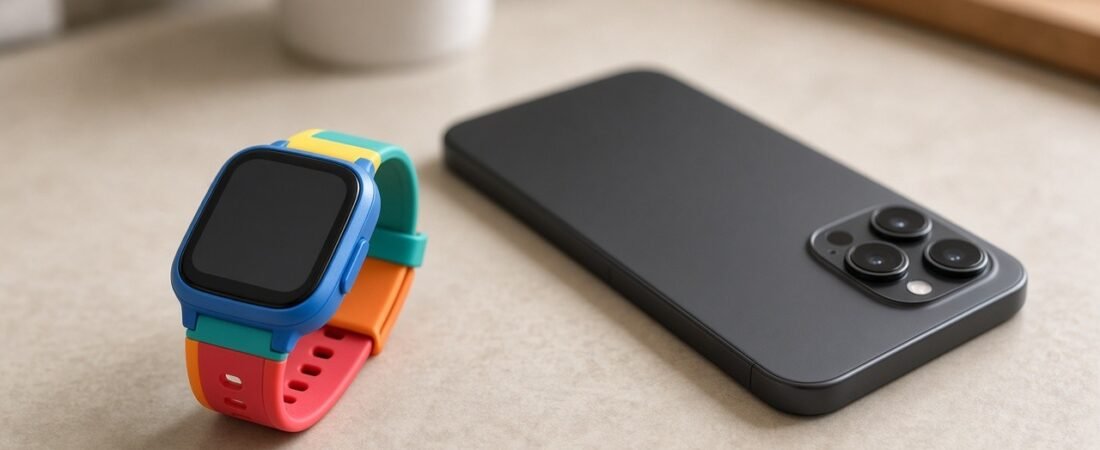
We were given the watch by a relative. It could call two numbers: mine and his dad’s. The idea was safety for school trips and big parks. He’s four and a half, and he was thrilled.
Monday morning, while he was at his grandparents’ house, my wrist buzzed. “Hi Mama!” Then again: “I’m eating.” Then: “Grandpa has a dog on his shirt.” By noon there were 23 calls in my log.
I was in a work meeting for half of them. When I declined one, he called right back, crying, because he thought something was wrong with me.
I loved hearing his voice. But it wasn’t working for anyone, including him.
Not medical or clinical advice: I’m a parent of two toddlers sharing what helped at home, not a pediatrician, therapist, or child-development expert. Every family’s screen and media rules look different, and there’s no single right answer. If you have questions about your child’s screen use, sleep, or development, please talk to your pediatrician.
Why this was so hard for a toddler
To a four-year-old, a button that brings Mom’s voice back instantly is magic. He wasn’t misbehaving. He was checking that I was still there, over and over.
It was also a new screen-shaped toy. Pressing it was fun on its own, and the more I answered, the more fun it became.
What made it worse
- Answering every single call. It taught him every press got a reward.
- Declining without warning. It scared him.
- Vague rules like ‘only for important things’. Important meant everything.
- Getting annoyed on the call. He heard frustration and called back to fix it.
What actually helped
1. Teach what calls are for
We named three: lost, hurt, or a grown-up says to call.
What I say: “The watch is for when you’re lost, hurt, or a grown-up says ‘call Mama.’”
2. A planned check-in call
One scheduled call per outing, at snack time. It met his need to connect.
What I say: “At snack time, you can call me and tell me one thing.”
3. Practice at home
We role-played: Is this a call time? He loved being the judge.
What I say: “You fell and scraped your knee. Call or not? You found a cool rock. Call or not?”
4. Tell grown-ups the plan
Grandparents knew about the snack call and to help him wait.
What I say: “Let’s save that for your snack call to Mama.”
5. A ‘tell me later’ jar
Stories he wanted to share went in an imaginary jar for pickup time.
What I say: “Put it in your tell-me-later jar. I want to hear all of it at pickup.”
6. Answer kindly, keep it short, redirect
When an extra call came, I answered warmly and briefly.
What I say: “Hi love! Is it lost, hurt, or a grown-up said? No? Okay, save it for snack. Love you!”
Honest limits
He still slips, especially on new outings. Many watches have settings that limit calls or schedule quiet times, so check your device’s settings and the manufacturer’s guidance. If constant checking-in seems tied to bigger worries about being apart, talk to your pediatrician.
From one tired parent to another
If your kid’s watch has turned your wrist into a buzzer, it’s not a sign they’re too young for it. They just need a short list of when to call, and one planned call to look forward to.