
Screens
The Tablet in the Shopping Cart, and the Checkout Meltdown That Followed
Giving our toddler the tablet in the cart bought me 30 quiet minutes of grocery shopping. Taking it away at checkout cost me the next 15. Here’s how we changed the ending.
How it started
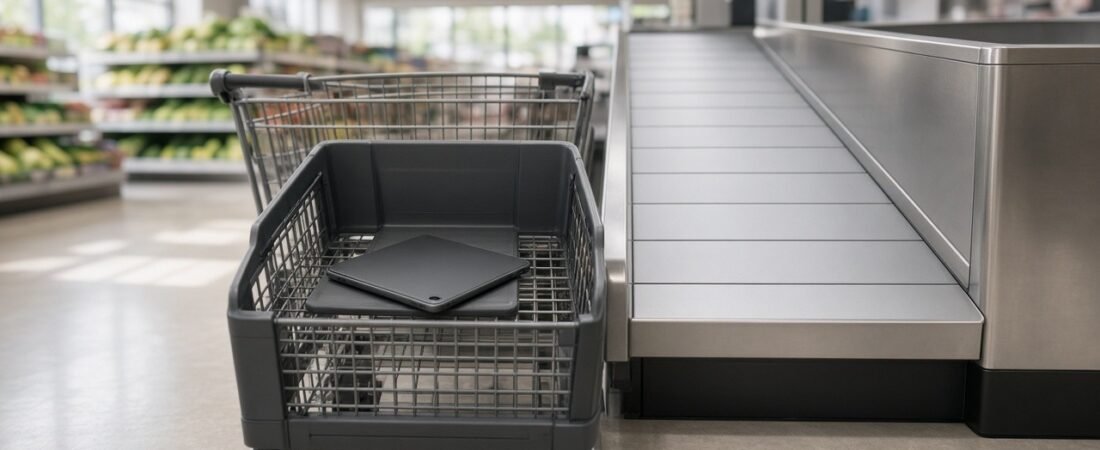
Weekly groceries with a two-year-old and a four-year-old felt impossible. So I started propping the tablet in the cart’s child seat. It worked like a dream, right up until the register.
That’s when I needed my hands, my wallet, and the cart’s seat for bags. I’d reach for the tablet, and my son would scream, arch his back, and kick the handle. Everyone in line turned around.
I’d give it back to stop the noise, and then we’d do it again in the parking lot.
I didn’t want to give up the tablet completely. I just needed the ending to stop being a disaster.
Not medical or clinical advice: I’m a parent of two toddlers sharing what helped at home, not a pediatrician, therapist, or child-development expert. Every family’s screen and media rules look different, and there’s no single right answer. If you have questions about your child’s screen use, sleep, or development, please talk to your pediatrician.
Why this was so hard for a toddler
For a toddler, a show stopping without warning feels like something being snatched away. He was mid-episode, with no idea checkout was coming.
The store also adds stress: bright lights, crowds, and a tired, hungry kid by the end of the trip.
What made it worse
- Taking it with no warning. The show was there, and then it wasn’t.
- Mid-episode stops. He had no ending to settle on.
- Giving it back to stop the scream. He learned screaming worked.
- Nothing to do afterward. Waiting in line is boring.
What actually helped
1. Save the tablet for the last part
We now start with a ‘shopping helper’ job and use the tablet only for the middle of the trip.
What I say: “First you help find bananas, then a show while I get the rest.”
2. A two-step warning
At the last aisle, a warning; at the line, the end.
What I say: “One more aisle, then the show says bye-bye.”
3. Short episodes, so it ends naturally
A short show is easier to finish than to interrupt.
What I say: “This show is short. When it ends, the tablet goes to sleep.”
4. He puts it away himself
Into the bag, by his own hands.
What I say: “Can you put the tablet to sleep in the bag?”
5. Give him a checkout job
He hands items to the cashier or holds the receipt.
What I say: “You’re the receipt holder today. Keep it safe!”
6. If he melts down, calm and steady
I don’t give it back. I stay close and kind.
What I say: “You’re sad the show is done. I’m here. You can cry, and the tablet is sleeping.”
Honest limits
Some trips still end with tears, because toddlers are tired at the end of shopping. Sometimes shorter trips, or going after a nap, help more than any routine. If tablet transitions are a big struggle all day, not just at the store, check in with your pediatrician.
From one tired parent to another
If the checkout line has become your tablet battleground, you don’t have to choose between peace and screens. Change the ending: warn early, let them put it away, and give them a real job at the register.