
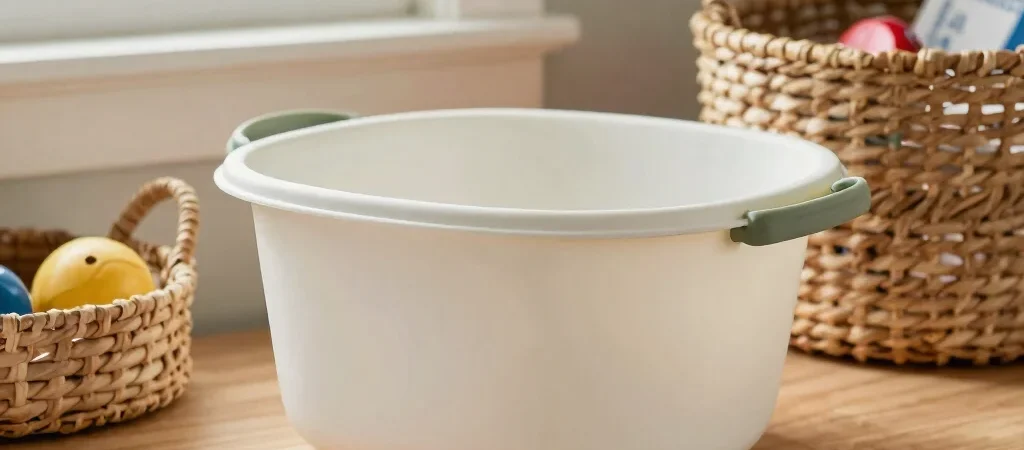
A product can look wonderfully helpful in a photo and still be awkward in the middle of a toddler morning. With two little ones, I’ve started asking a simpler question before anything earns space in our home: does this make an ordinary task easier for our family, or does it give me one more thing to manage?
Look past the features
A long list of features can sound convincing, but our day is made of small practical moments: getting out the door, cleaning up after a meal, finding the thing a toddler was just holding. I care more about whether an item is easy to reach, use, and put away than whether it promises to do everything.
I also try to imagine the less polished parts of using it. Does it take extra steps when everyone is tired? Is it simple enough that I won’t avoid it on a busy day? Those questions tell me more than a product description can.
Make room for what doesn’t fit
Some things have made our days easier; others just weren’t for us. That doesn’t mean the product was bad or that another family wouldn’t love it. Space, routines, ages, and temperaments all shape what works at home.
When I talk about products here, I want to be honest about that difference. I’m interested in what a thing actually asks of a family, not just what it promises. Before adding something to your own routine, picture one ordinary, slightly chaotic moment when you’d use it—and whether it would help there.